Planning a road trip? The secret to a stress-free journey isn’t luck, it’s preparation. From checking your tires, fluids, and battery to packing a reliable emergency kit, every small step helps prevent costly surprises on the road. This guide covers must-have safety items, comfort essentials, and practical tips to keep your trip smooth and enjoyable. Plus, learn how to handle unexpected car expenses without derailing your plans. Get ready to hit the road with confidence, knowing you’re fully prepared for whatever comes your way.

Holy Week bank closures can disrupt your finances—but they don’t have to. This 2026 guide explains what to expect during the long holiday, from delayed transfers to limited banking access. Learn how to prepare with a simple loan checklist, avoid late fees, and handle emergencies with ease. Discover how LoanOnline keeps you covered with fast approvals, e-wallet disbursements, and 24/7 access. Stay ahead of your payments, protect yourself from scams, and enjoy a worry-free Holy Week with smarter financial planning.

No credit history? No problem. In 2026, Filipino lenders are now using alternative data—like your GCash activity, phone bill payments, and online transactions—to approve loans. This shift is helping millions of unbanked and underbanked individuals finally access credit. By showing consistent financial behavior through digital platforms, you can build a strong alternative credit profile in as little as six months. Learn how this system works, what lenders look for, and how you can turn your everyday transactions into loan approval opportunities.
In 2026, loan approvals in the Philippines are no longer measured in days, but in seconds. Thanks to open banking and secure API integrations, lenders can now verify your income, employment, and bank activity in real time—with your consent. This shift means faster access to funds, fewer documents, and a smoother borrowing experience. But with speed comes responsibility. Understanding how your data is used and choosing legitimate lenders remains crucial. Discover how instant lending works and how you can prepare to get approved in seconds, not days.
Not all loans are created equal—and neither are borrowers. In 2026, Filipino earners have more borrowing options than ever, from digital lenders to government-backed programs. But choosing the right one starts with understanding your borrower personality. Are you a Prepared Planner, Gig Hustler, Emergency Responder, or First-Timer? This guide helps you identify your financial habits, match them with the right loan type, and avoid costly mistakes. Discover smarter borrowing strategies, learn key 2026 loan trends, and make confident financial decisions that support your long-term stability.

With the 2025 elections, rising oil prices, and peso volatility, many Filipinos are turning to loan stacking to manage uncertainty—but this strategy can quickly backfire. Multiple loans may seem manageable, but combined payments, unstable income, and rising costs can lead to long-term financial strain. This article explores why borrowing during election season is riskier than usual and introduces the “Election Pause” strategy—a smarter way to protect your finances by focusing on repayment, consolidation, and stability instead of taking on new debt.

Vacation loans surge every April as Filipinos chase summer getaways fueled by FOMO and social media pressure. But a ₱15,000 trip can quickly turn into ₱20,000+ with interest and fees. This article breaks down why lenders push “travel now, pay later” offers, the psychology behind impulse borrowing, and the real cost of vacation debt. More importantly, it explores smarter alternatives—from staycations to advance booking—that let you enjoy summer without financial stress. Because the best memories shouldn’t come with long-term payments.

Fuel price hikes are a reality many Filipino commuters face, often forcing some to borrow money just to keep their vehicles running. Instead of relying on loans whenever pump prices spike, building a dedicated gasoline emergency fund can provide a practical safety net. This guide explains how to calculate your three-month commute buffer, simple strategies to grow your fund, and where to store it for easy access. By preparing ahead, drivers and commuters can avoid unnecessary debt, stay financially stable, and handle fuel price increases without stress.

Apple’s new MacBook Neo is making waves in the Philippines with its ₱39,990 price tag—Apple’s most affordable laptop yet. But is it really the best value for Filipino students, freelancers, and young professionals? This guide compares the Neo’s specs, performance, and real-world use against budget Windows laptops like the Lenovo IdeaPad Slim 3 and Acer Aspire 14 AI. We also explore smart payment strategies—from credit card installments to personal loan options through LoanOnline—so you can choose a laptop that fits both your workflow and your budget.

Paying off a loan is a major financial milestone—but what comes next? Many borrowers celebrate debt freedom only to slip back into old spending habits. This guide explores how Filipinos can transition from loan repayment to wealth building by redirecting their former monthly payments toward gold savings. From digital gold apps to physical jewelry and gold-backed funds, there are several accessible ways to begin investing. With a simple 12-month strategy, disciplined borrowers can transform the habits that helped them eliminate debt into a foundation for long-term financial stability and asset growth.
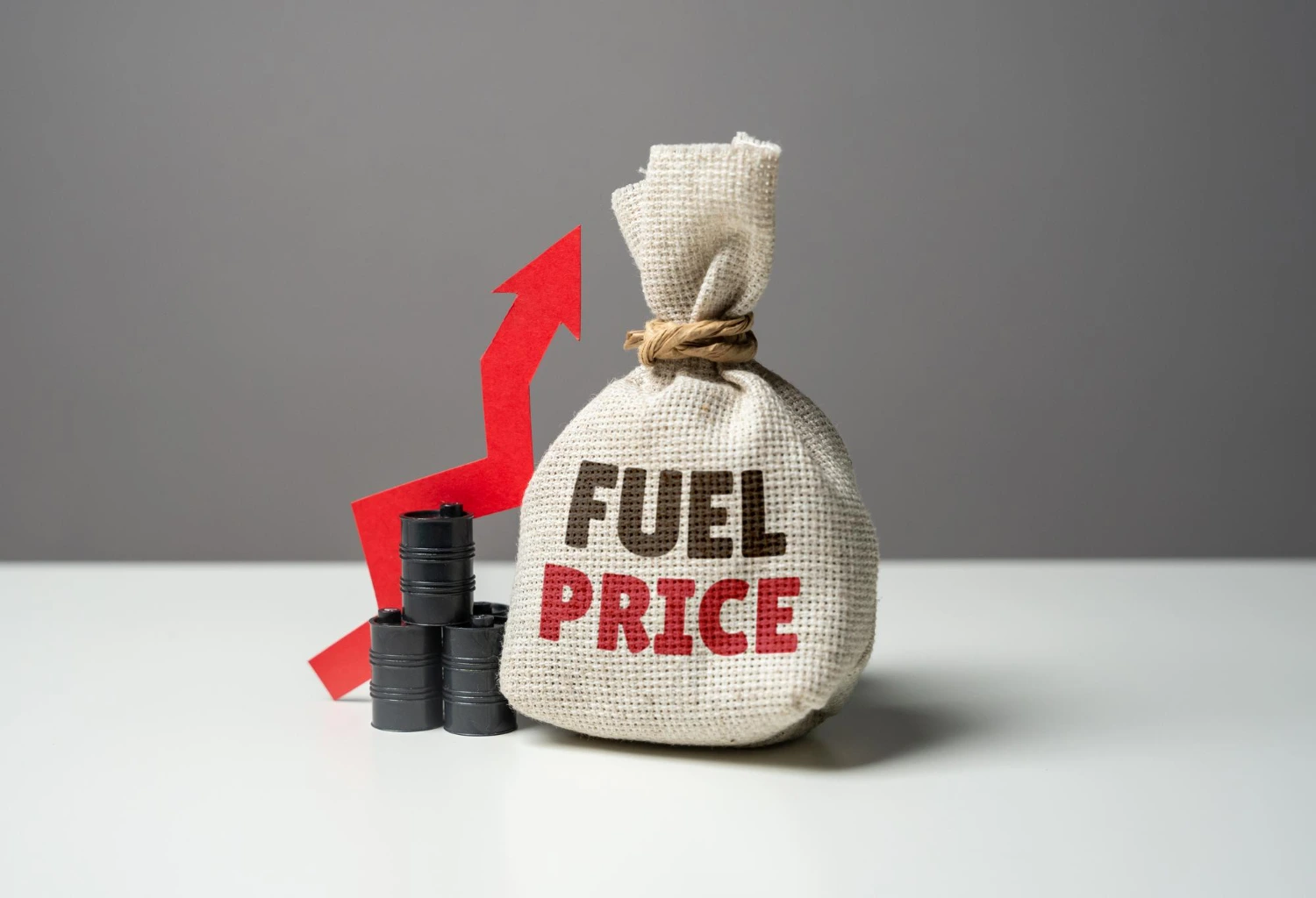
Rising fuel prices are putting pressure on Filipino commuters, drivers, and delivery riders. With gasoline and diesel costs climbing for weeks, even small trips are becoming more expensive. The good news is that simple driving habits can make a big difference. From maintaining proper tire pressure to smarter route planning and fuel reward programs, these strategies can help drivers save ₱500 or more every month. Over time, those savings can build an emergency fuel fund and reduce the need for borrowing. Discover practical fuel-saving hacks that help you drive smarter, spend less, and avoid relying on loans during fuel price surges.

Typhoon season is a reality for millions of Filipinos, but financial preparation can make recovery much faster. This guide explains why pre-positioning a loan or credit line before disasters strike can be smarter than scrambling for funds afterward. Learn how post-typhoon price surges affect construction materials, transportation, and supplies, and discover practical ways to prepare financially. From home hardening upgrades to evacuation funds and emergency credit strategies, this article explores how Filipino households can protect their finances—and their communities—before the next storm arrives.

Paluwagan and digital loans solve different financial problems—and understanding when to use each can protect your money and your peace of mind. While your lola’s rotating savings club thrives on trust, discipline, and zero interest, fintech offers speed, privacy, and credit-building opportunities through systems like the Credit Information Corporation (CIC). This guide compares costs, risks, flexibility, and emotional impact to help Filipinos choose wisely. In many cases, the smartest strategy isn’t traditional or digital—it’s a thoughtful mix of both.

Filipino freelancers often earn ₱40K–₱120K monthly — yet still get rejected by traditional banks. Why? It’s not income. It’s documentation. In this 2026 LoanOnline guide, we break down the freelancer’s paradox and show how to move from gig worker to bankable client. Learn which alternative documents lenders accept, how to climb the credit ladder from nano-loans to prime bank rates, and how to structure your freelance income for approval success. Your freelance career is legitimate — and your loan journey is possible with the right strategy.

Festival season in the Philippines isn’t just about culture and celebration — it’s also about smart financial timing. From Sinulog to Kadayawan, travel costs can surge by 300–400%, turning budget trips into expensive weekends. This 2026 guide breaks down real festival expenses, monthly budget estimates, and a practical borrow-vs-save decision strategy. Learn when using a personal loan makes sense, when saving is smarter, and how to recover financially after the party ends. Celebrate boldly — but plan your festival finances wisely.

Dreaming of El Nido, Siargao, or Batanes but watching prices climb every year? With domestic travel costs rising 10–15% annually, waiting too long could make your dream trip even more expensive. This guide explores whether using a personal loan can be a smart strategy to beat inflation, compares loans vs. credit cards vs. saving, and breaks down real 2026 travel costs. Learn how to borrow responsibly, calculate break-even points, and plan your trip without financial regret. Travel boldly, but fund it wisely.

You’ve made the final payment. Your loan is officially closed. But what happens next? Many Filipinos fall back into debt within 90 days—not because they lack discipline, but because they lack a post-loan plan. This guide walks you through rebuilding your budget, avoiding lifestyle creep, strengthening your emergency fund, and improving your credit score after repayment. Learn how to redirect your former loan payments into savings, complete a 6-month No-Loan Challenge, and build real financial stability in 2026—without falling into the re-borrowing trap.
Online lending in the Philippines has made borrowing faster and more accessible — but loan scams are also on the rise. From fake “guaranteed approval” promises to illegal upfront fees and harassment tactics, many borrowers fall victim without realizing the warning signs. This guide explains how to identify legit online loan apps in the Philippines, verify SEC-registered lenders, and avoid common scam traps. Learn the red flags, understand your rights, and discover how to protect yourself before applying. Always verify before you borrow.
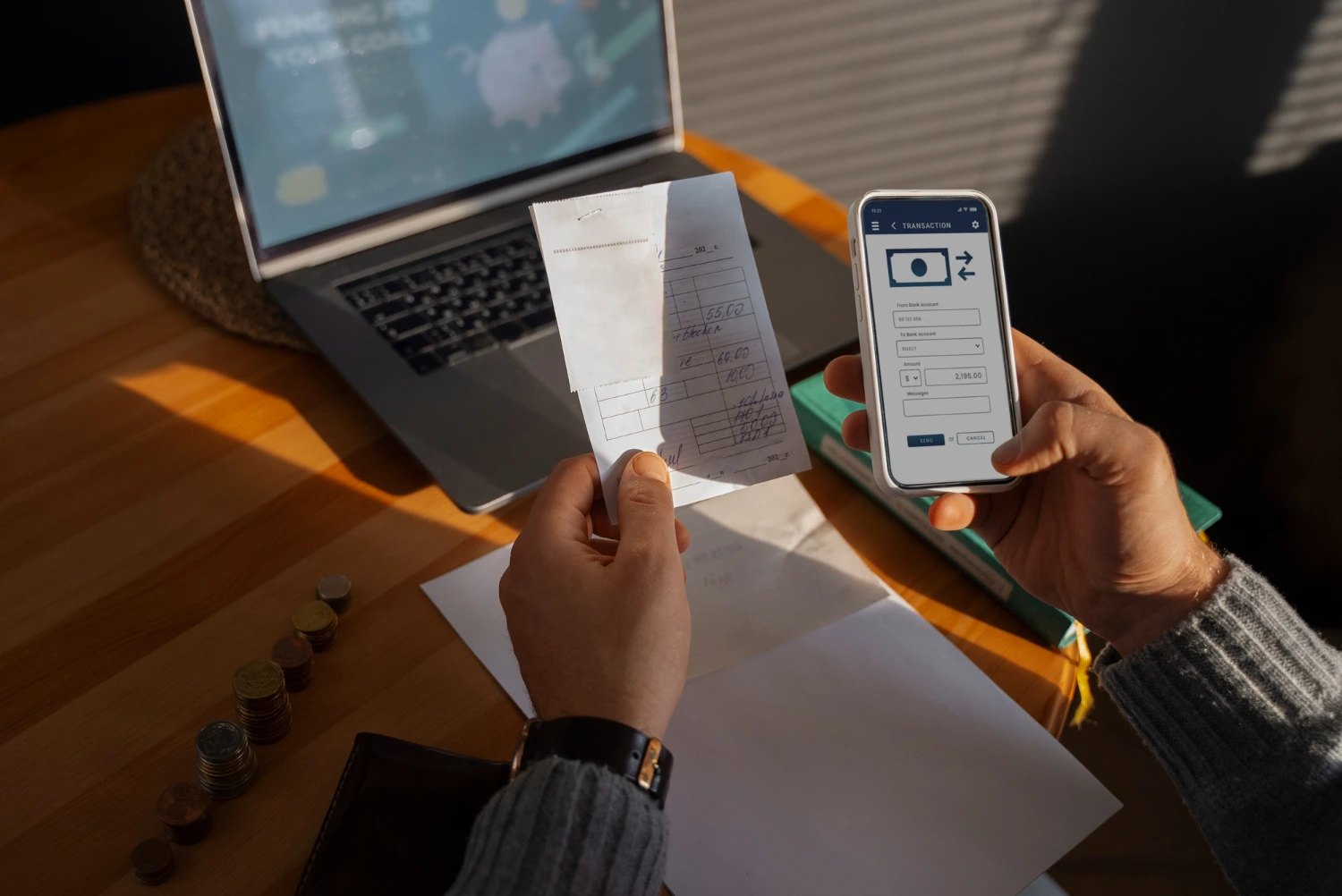
Loan apps promise fast cash and convenience—but behind the speed are psychological triggers designed to keep you borrowing. From present bias and anchoring to variable rewards and artificial urgency, many apps use behavioral tactics that bypass rational decision-making. This article breaks down the six cognitive biases loan apps exploit, the dark patterns hidden in their interfaces, and the true cost behind “small daily interest” rates. Learn practical cooling-off strategies and how transparent comparison platforms like LoanOnline can help you borrow smarter—not impulsively.

It’s 6 PM on February 13 and you just realized Valentine’s Day is tomorrow — no reservation, no gift, and only ₱200 in your wallet. Don’t panic. This guide breaks down your hour-by-hour survival plan, from 1-hour loan approvals and GCash Credit options to smart, last-minute dinner and gift ideas. Learn which SEC-registered lenders can release funds fast, how much you actually need to borrow, and how to repay responsibly in 30 days. Fix the emergency without creating long-term debt.

Chinese New Year expenses can pile up fast—from ang pao and reunion dinners to travel and last-minute shopping. This guide breaks down how 7-day zero-interest loans in the Philippines work, who qualifies, and the real costs you need to watch out for. Learn which lenders offer 0% promos for first-time borrowers, how processing fees and late penalties apply, and smart repayment strategies using salary, 13th month pay, or ang pao blessings. Used wisely, these loans can help you celebrate CNY without long-term debt stress.

Forgot Valentine’s Day plans and need cash fast? Romance doesn’t wait for long loan processing times. This guide breaks down instant loan approval options in the Philippines, comparing fast online lenders that can release funds in as little as 1 hour to 24 hours. From last-minute dinner dates to surprise getaways and gift emergencies, learn which lenders match your needs — and how to borrow responsibly. Discover how to enjoy romantic moments without turning short-term joy into long-term debt.

Co-signing a loan may feel like helping a loved one — but in the Philippines, it can also mean taking on full financial responsibility. From co-maker rules to hidden costs and credit score risks, many co-signers end up paying loans they never used. This guide explains the difference between co-maker, guarantor, and joint borrower, plus five practical rules to protect your money and relationships. Learn when to say yes, when to walk away, and safer alternatives to co-signing. Read the full guide on LoanOnline.ph.

Freelancing gives you freedom — but getting approved for loans without a payslip can feel impossible. The good news? You don’t need traditional employment documents to build credit in the Philippines. This guide shares a proven 12-month roadmap showing freelancers how to establish income proof, use fintech apps wisely, graduate to neobanks, and finally qualify for traditional bank loans. Learn what lenders really look for, the best starter loans in 2026, and common mistakes that lead to rejection — so you can go from invisible to bankable, step by step.

Getting rejected by banks doesn’t mean Filipinos have no safe borrowing options. In 2026, barangay-level loans—from cooperatives, LGU programs, and NGOs—continue to help low-income earners, informal workers, and first-time borrowers access emergency cash responsibly. This guide explains why banks often say no, how community-based loans work, what requirements to expect, and the red flags to avoid predatory lenders. Most importantly, it shows how barangay loans can serve as a stepping stone toward safer, formal credit in the future.

Your first paycheck feels empowering—but your first loan can shape your financial future. This guide breaks down Borrowing 101 for Gen Z Filipinos, explaining how loans work before age 25, what lenders really look for, and the most common borrowing mistakes young professionals make. Learn the safest starter loan options, how loans affect your credit history, and smart approval tips to avoid debt traps. Borrowing isn’t bad—but borrowing blindly can cost you years of opportunities.

Emergency loans may look like a lifeline, but hidden fees can quickly turn small cash advances into massive debt. This guide reveals the seven most common charges Filipino borrowers face, including processing fees, rollover penalties, insurance add-ons, and even data-related threats from shady lending apps. You’ll also see how a ₱10,000 loan can balloon to ₱15,000 in just weeks. Learn how to spot scam lenders, compare real repayment costs, and choose safer emergency borrowing options that protect your wallet when you need help the most.

Online lending in the Philippines is booming in 2026—but convenience comes with risks. As the digital loan market grows past ₱1B, more Filipinos are exposed to hidden fees, illegal loan apps, data privacy abuse, and debt spirals. This guide breaks down why digital lending is rising, how to spot BSP-licensed lenders, common online loan traps, and a safety checklist every borrower should follow. Learn how to compare legitimate online loans wisely so you can borrow fast without sacrificing security or financial stability.

Starting 2026 with debt doesn’t mean you’re failing—it means it’s time to borrow smarter. This guide breaks down strategic personal loan resolutions Filipinos can follow to reset their finances this year. From consolidating holiday debt and funding career growth to handling emergencies and starting side hustles responsibly, the article explains when personal loans help—and when they hurt. Learn how to compare SSS, bank, and online loans, calculate total loan costs, and make borrowing part of your financial reset instead of a long-term setback.

WFH in 2026 is no longer temporary—it’s a long-term income setup for many Filipinos. But upgrading a home office comes with real costs, and relying on credit cards or BNPL often leads to high-interest debt. This article breaks down the true cost of WFH upgrades, compares personal loans vs credit cards and BNPL, and explains how much you can safely borrow based on your income. Learn how a well-structured personal loan can help you upgrade your workspace without hurting your financial stability.

Many Filipinos start the year with strong financial goals—only to abandon them within months. This 2026 guide shows how personal loans, when used strategically, can support a true financial reset. From consolidating high-interest debt and upskilling for higher income to building emergency funds and funding small businesses, the article breaks down six practical loan resolutions for Filipinos. Learn how to borrow responsibly, compare real costs, and turn personal loans into tools for stability, growth, and long-term financial resilience.

January often reveals the real cost of the holidays—but carrying debt doesn’t mean you failed. Many Filipinos start the year juggling credit cards, informal loans, or family utang, all while feeling stress and shame. This guide explains how personal loan debt consolidation in the Philippines can simplify payments, lower interest, and restore financial control. From real-life scenarios to practical January action steps, it shows how facing debt calmly—and strategically—can turn post-holiday pressure into a fresh financial reset.

For many Overseas Filipino Workers (OFWs), family reunions happen only once every few years—and they come with real financial pressure. This article explores how OFWs use personal loans strategically, not just for Christmas expenses, but for flights, home preparation, medical checkups, family events, and even small business investments. When planned properly, a personal loan can protect savings, reduce stress, and turn reunions into long-term value for the whole family. The key is borrowing with purpose, timing, and responsibility.

When your 13th month pay isn’t enough, Christmas emergencies don’t wait for January. Rising holiday costs, medical surprises, travel issues, and school fees push many Filipino families to seek extra funds, even when banks are closed and credit cards are maxed out. This Christmas Loan Philippines 2024 guide explains why bonuses fall short, compares safe emergency loan options, and shows how licensed online lenders can release funds fast. Learn when borrowing makes sense, how to avoid illegal lenders, and how to repay responsibly without starting the new year in debt.

Christmas may be over, but for many Filipinos, the debt is just getting started. Every year, holiday spending turns into months of repayments—often from quick cash loans taken without fully understanding the cost. This guide breaks down the holiday debt trap in the Philippines, the most common Christmas loan mistakes, and how borrowers end up paying until mid-year or beyond. Learn how to spot risky loans, avoid interest traps, and make smarter borrowing decisions before Christmas debt follows you into 2026.

TikTok may inspire your Christmas wishlist—but borrowing for it doesn’t have to lead to debt. This guide explains when a Christmas shopping loan actually makes financial sense, how to calculate real savings versus interest, and how to avoid impulse borrowing traps. Learn smart strategies like bulk buying, sale timing, and short-term financing that can lower overall costs. With real Filipino scenarios and a step-by-step framework, discover how LoanOnline helps you compare options and use loans strategically—not emotionally—this holiday season.
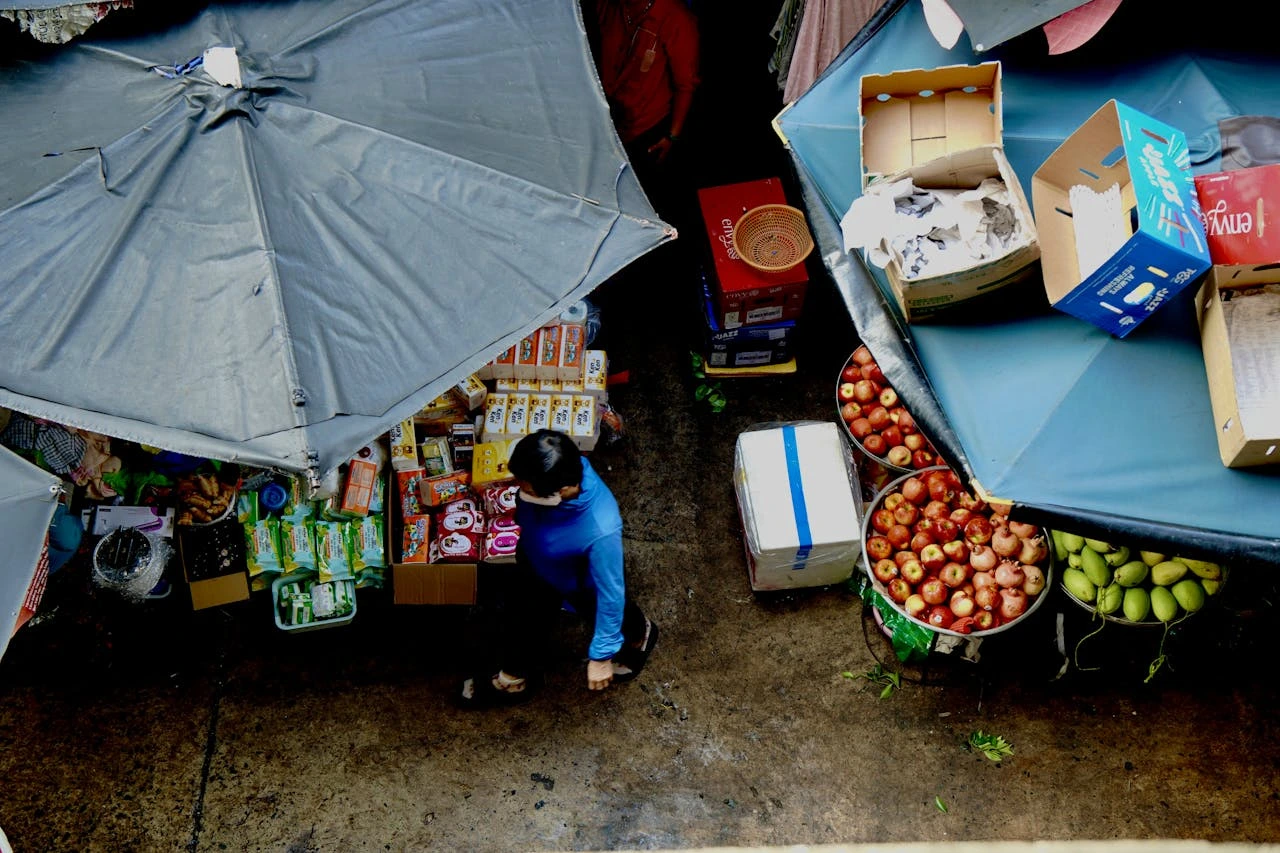
In 2025, post-disaster business loans powered by real-time cash-flow data give Filipino MSMEs fast, collateral-free funding when they need it most. Traditional government and bank loans take weeks, but cash-flow lenders use API-verified bank activity to approve applications in minutes and release funds within 24–48 hours. This helps businesses in typhoon-prone areas—from Bicol to Eastern Visayas—restore operations, pay workers, and replace inventory immediately. With limits up to ₱100,000 and transparent pricing, LoanOnline connects business owners to quick relief when every hour counts.
In 2026, open banking loans are changing the way Filipinos borrow. Using real-time bank data, LoanOnline can approve applications in as fast as 90 seconds, replacing outdated credit scores with cash-flow underwriting. Freelancers, gig workers, and first-time borrowers now have higher approval rates without uploading payslips or PDFs. Bank-level encryption ensures data is safe, while read-only access protects your account. Experience the future of borrowing with fast, secure, and paperless loans. Connect your bank, verify income, and get same-day disbursement—all from LoanOnline.

Hidden personal loan fees are becoming more aggressive in 2025, and many borrowers lose 5–10% of their loan without realizing it. This guide exposes the newest fee traps—origination charges, processing fees, disbursement deductions, early payoff penalties, and reloan costs—and shows how these hidden deductions inflate your real APR. You’ll also learn how to calculate the true cost of a loan, spot red flags, and use transparent comparison platforms like LoanOnline to avoid “fee creep.” Before signing anything, make sure the lender’s fees are fully disclosed upfront.

Most Filipino employees rely on cash-advance apps for quick relief—but once you go past Day 7, these apps become more expensive than an SSS Salary Loan. LoanOnline breaks down fees, timelines, and real borrower cases to reveal the exact break-even day, typically between Day 7 and Day 9. We also compare a teacher and BPO worker’s costs to show how switching can save ₱162 to ₱500 per cut-off. Learn the cheapest option based on your borrowing habits and get the downloadable break-even calendar to guide your next loan decision.

BNPL (Buy Now, Pay Later) is booming in the Philippines—63% of online shoppers used it in the past 12 months, yet 48% missed at least one payment. A single late installment can push your effective APR above 40%, making BNPL far costlier than a low-rate personal loan. LoanOnline breaks down the numbers, compares BNPL against traditional personal loans, and shows how debt consolidation can help you regain control. Learn how to escape the BNPL spiral, calculate real costs, and protect your credit score in 2025.

Salary-on-Demand (SODA) apps are reshaping how Filipinos access their wages, offering instant cash for emergencies. But frequent use can quietly inflate fees, sometimes surpassing standard 5–6% personal loan rates. Our 2025 guide breaks down the real cost of popular SODA apps, compares them to short-term loans, and shows which scenarios make them cost-effective or costly. With fee autopsies, case studies, and tools like the SODA vs 5–6 cost comparator, Filipino workers can make informed choices, avoid habit-forming withdrawals, and protect their wallets from silent fee traps.

Need cash on a Saturday night? We tested eight loan apps from Saturday 6 PM to Sunday 8 AM to see which ones actually release money on weekends. We logged real approval timestamps, InstaPay performance, and weekend fees. Results show that Maya and RCBC deliver the most reliable weekend payouts, while some banks delay until Monday. This guide breaks down the fastest apps, the safest options, and backup plans when payouts fail—plus a quick comparison with LoanOnline tools to help you explore smarter credit alternatives beyond emergency loan apps.

Beat loan interest legally in 202+ with the 61-day re-loan cycle. This strategy lets Filipino borrowers borrow, repay within the grace period, and re-borrow—effectively keeping interest at zero, as long as your app allows early repayment. Our guide provides a universal repayment calendar, a live list of apps with ≥7-day grace periods, hidden cost alerts, and a step-by-step walkthrough so you can use the cycle safely. Perfect for Tala, GCash, JuanHand, and similar apps. Borrow smart, stay disciplined, and keep your money in control.

Renewing your SSS salary loan in 2025 just got easier—but many applicants still get auto-denied due to posting errors or unpaid balances. This guide walks you through eligibility requirements, a step-by-step My.SSS renewal process, sample loan computations, and a denial-fix checklist. Learn how to confirm employer postings, calculate your net proceeds, and avoid common mistakes that block approval. With our printable checklist and FAQ tips, you’ll know exactly how to secure your second loan and get your funds smoothly, all without stepping into a branch.
.webp)
Thinking of borrowing to kickstart the viral 100-Day Ipon Challenge? Before hitting “Apply,” know the real cost. We break down SSS, GCash, and Digido loans, showing monthly payments, total repayment, and net loss versus saving without debt. Explore two couples’ strategies: one borrowed ₱30k, the other maximized leftover 13th-month pay and side hustles. Learn when a loan makes sense, how to start small, and clever Filipino hacks to hit ₱10k without debt. Use the LoanOnline calculator to see if borrowing is worth it for your savings goals.

The Philippines faces a ₱900-billion SME lending gap in 2025, leaving 77% of small businesses without access to traditional bank credit. High collateral requirements, thin financial records, and limited credit history keep many entrepreneurs from securing funding, even as demand surges across tourism, agri-inputs, and creative industries. Government programs like PhilGuarantee and SB Corp DIGS, alongside fintech and alternative lenders, are bridging the gap. For MSMEs and entrepreneurs considering personal loans or working capital financing, platforms like LoanOnline help compare options and access capital more safely and efficiently.

Non-performing loans in the Philippines are rising again in 2025, with the NPL ratio hitting 3.40% or over ₱535B in unpaid debt. This uptick reflects growing pressure on consumers, SMEs, and borrowers affected by underemployment, inflation, and volatile incomes. The article explains why NPLs matter, how they affect credit scores and loan rates, and what the BSP is doing to manage risk. It also shares practical tips to avoid loan default and highlights how platforms like LoanOnline help Filipinos compare safer borrowing options and stay financially protected.

Shopping in 2025? Filipinos face a choice: BNPL or personal loan. BNPL (Atome, BillEase, Grab PayLater, Maya) is fast and convenient for small, short-term buys, while personal loans offer larger amounts, longer terms, and better credit-building potential. This guide breaks down fees, late charges, repayment timelines, speed, and credit-score impact, plus tips to avoid BNPL traps and consolidate debt. Use LoanOnline’s BNPL Calculator and Personal Loan Finder to see total repayment upfront and make informed choices before tapping “Place Order.”

Pag-IBIG loans are the Philippines’ most affordable credit lifeline, but eligibility rules can make or break your application. This 2025 guide shows how to check contributions, navigate housing, multi-purpose, and calamity loans, and compare options with a personal loan. Use LoanOnline to find transparent, BSP-licensed alternatives quickly.

Bridging tuition gaps in 2025, Filipino students and families turn to SSS Educational Assistance Loans or private quick loans. This guide compares costs, approval speed, and safer alternatives, showing how platforms like LoanOnline.ph help make borrowing smarter — keeping students enrolled without falling into debt traps.

Starting a negosyo in 2025 doesn’t require big capital. This guide shares low-cost business ideas—from food kits to digital services—and a 90-day plan to reach break-even. Learn cash-flow management, smartly fund equipment or inventory with a personal loan, and safely compare options through LoanOnline.ph. Grow your small business confidently, one smart move at a time.

In the Philippines, utang isn’t just money—it’s trust, love, and survival. This piece explores the roots of utang na loob and its influence on modern Filipino money habits, from paluwagan to personal loans. Learn how debt became both lifeline and burden, and why redefining it with empathy and discipline protects relationships and wallets.

Got your 13th-month pay? Before splurging, pause—what feels like free money is actually your hard-earned income. This guide explains why Filipinos overspend bonuses, how to stretch it beyond December, and when a personal loan can be smart, not panic-driven. Celebrate wisely, save intentionally, and start the new year debt-free.

Feeling the ber-month buzz but not the budget? When gift lists outgrow your savings, a holiday loan can help—if you borrow smart. This guide breaks down when pre-Christmas loans make sense, how to avoid January debt, and where to compare safe cash-loan options through LoanOnline.ph—so Christmas joy doesn’t steal your New Year’s peace.

Trapped in a payday loan cycle? You’re not alone. Many Filipinos juggle apps, fees, and stress just to stay afloat. This guide shows how to break free—by cutting off predatory lenders, planning debt recovery, and exploring safer options like SSS, Pag-IBIG, or LoanOnline.ph. Debt freedom isn’t a dream—it’s a doable plan.

Thinking of taking out a loan? Pause before you click “Apply.” Many Filipinos lose thousands to hidden fees, bad terms, and overborrowing. This guide breaks down the Top 5 Loan Mistakes to Avoid, plus how to spot red flags and compare safe, transparent lenders through LoanOnline.ph. Getting approved is easy—borrowing smart is what matters.

Getting denied or delayed on a loan? It’s not bad luck—lenders check key factors beyond income. This guide covers the five essentials for approval in the Philippines: income stability, documents, credit history, debt ratio, and loan purpose. Learn what 2025 loan requirements really mean, plus quick DTI insights and BSP-backed tips.

Think life-changing stories need big money? Sometimes, a ₱5,000 loan is enough to keep a business or family afloat. This LoanOnline.ph feature shares real stories of Filipinos turning small, responsible loans into big wins—showing how microloans build confidence, discipline, and community strength. See how small loans can make a big impact.

Ever felt awkward borrowing from a friend? What seems like help can create guilt or tension. This guide explains why a personal loan is often smarter—with clear terms, deadlines, and protection for both sides. Learn to borrow responsibly, avoid emotional debt, and see when online loans make more sense.

The “Ber months” feel magical — until your wallet waves the white flag. From tuition to travel, holiday bills pile up fast. This guide shows how short-term loans in the Philippines can fill budget gaps without dragging debt into January, plus how LoanOnline helps you compare lenders for smarter borrowing. Your wallet’s holiday survival guide starts here.

Filipinos spend hours on commutes, overtime, and errands—but money can help buy back time. This guide explores saving time in the Philippines with automation, smart subscriptions, and strategic personal loans for productivity tools. Packed with practical hacks, it reframes financial decisions as a way to reclaim life’s most valuable resource: your time.

Love your hobbies but hate the wallet hit? This guide shows how Filipinos in 2025 can enjoy passions like collectibles or café hopping without financial stress. Learn which purchases add value, avoid “gear creep,” and use tools like LoanOnline.ph or 0% installments to manage big buys. Make your passion pay, not cost.

Undas brings families together—but also a wave of gastos. From travel and food to flowers and hidden costs, the season can strain your wallet. This guide shows real Undas expenses in the Philippines, budget hacks, and when borrowing makes sense. Compare safe, legit loan options through LoanOnline.ph and honor loved ones without piling on debt.

Still think loans are just for emergencies? Think again. This guide reveals 7 smart ways Filipinos can use loans as tools for growth—from education and business to property or solar upgrades. Learn how to borrow strategically, compare lenders, and avoid bad debt with LoanOnline.ph. It’s time to make loans work for you, not against you.

Running low on cash before payday? You’re not alone. In 2026, micro-loans from ₱1,000–₱5,000 are fueling quick fixes—from GCash top-ups to Shopee checkouts. This guide breaks down when small loans make sense, hidden costs to watch for, and how LoanOnline.ph helps you find safe, fast options without falling into a debt trap.

Torn between a 91-day and 180-day loan? The right term can mean the difference between breathing room and stress. This guide compares short- vs. mid-term loans in the Philippines, with real ₱5K–₱30K examples, monthly payments, and total interest. Learn when each fits your cash flow and how LoanOnline.ph helps find the best 2025 offers.

Feel like your wallet has a mind of its own? Your money mindset might be steering your loan choices—and your stress. This guide unpacks how fear, pride, and pressure lead to “quick-fix” borrowing, and how mindset shifts can turn loans into power moves. Learn to pause, plan, and compare options with LoanOnline.ph so you borrow with clarity, not panic.

Juggling multiple loans? You could be loan stacking and hurting your credit without realizing it. This guide explains how too many loans can snowball into trouble, even if payments are on time. Learn smarter debt management through consolidation or restructuring, and compare options safely with LoanOnline.ph before taking “just one more loan.”

Turned away by big banks? You’re not alone. Many Filipinos get rejected for loans due to limited credit or informal income—but that “no” isn’t the end. This guide explores legal, safe alternatives like microfinance, cooperatives, and DTI or TESDA programs. Plus, see how LoanOnline.ph connects you to smarter options without the risk of loan sharks. Don’t give up—there’s always another path forward.

Earning without a payslip? You’re not out of luck. In 2026, more lenders now recognize gig-based income from driving, freelancing, or online selling. This guide shows how to get approved without a traditional payslip—what documents to use, which lenders say yes, and when borrowing makes sense (or doesn’t). Still knocking on closed bank doors? This read could be your shortcut to the open ones.

No payslip? No problem. Freelancers and self-employed Filipinos can still qualify for SSS or Pag-IBIG loans as financial fallbacks. This guide explains who’s eligible, what documents to use (kahit walang COE), and how to avoid common pitfalls. Whether for cash flow or emergencies, learn how to borrow smart and stay in control—with help from LoanOnline.ph to compare safe, legit options.

Need just ₱1,000 to get by till payday? You’re not alone—but that “quick fix” can quickly spiral. This guide explains how small payday loans in the Philippines can snowball into triple the debt through fees and renewals. Learn the red flags, smarter alternatives like salary advances or digital bank loans, and how LoanOnline.ph helps you find legit lenders and avoid loan traps. Don’t let a tiny loan become a huge mistake.

Earning ₱15K a month? You can still get a loan—if you know how. This guide breaks down what low-income earners in the Philippines can borrow, what lenders really check, and how to boost your approval odds. Get sample computations, red flags to avoid, and see how LoanOnline.ph helps you find the right loan without the stress. Tight budget? This read makes your next move smarter, not riskier.

Think all online loans are scams? Or that borrowing from family is always safer? It’s time to rethink those money myths. This guide busts common loan misconceptions in 2026—especially for freelancers and first-time borrowers. Learn how legit lenders work, how to spot red flags, and how LoanOnline.ph helps you find safe, personalized offers. Don’t let myths stop you from solving real financial needs—start smart, not scared.

Running on financial fumes by July? You’re not alone. This midyear check is your cue to review your loans—are they driving your goals or dragging you down? This guide breaks down signs of loan overload, when consolidation makes sense, and how to prep documents if you’re reapplying in 2025. Whether you’re self-employed or juggling payments, learn how to reset your finances before the year’s second half speeds by.

Running out of cash before payday? Some lenders are finally giving Filipinos a breather. This July 2025 update highlights quick loan offers with grace periods—including 0% interest for the first 7 days. Learn who qualifies, what happens after the promo ends, and how LoanOnline helps you compare loan terms and rates safely. Before you borrow, read this—it might just save you from paying more than you planned.

Emergencies don’t wait—and when cash runs low, every option counts. Should you choose an SSS or Pag-IBIG loan, or go for a faster private personal loan? This guide compares their 2025 requirements, interest rates, and approval speeds so you can borrow based on need, not panic. Plus, see how LoanOnline.ph helps you compare options safely and borrow smart—without sinking into debt.

Feeling short on cash? You’re not alone. For many Filipinos, borrowing keeps life afloat—but there’s a thin line between managing debt and drowning in it. This guide uncovers seven signs of a debt spiral and how to break free through tracking, negotiation, and smarter options with LoanOnline.ph. Don’t wait—reset before it’s too late.

Loan rejection hurts—but it’s not the end. For many Filipinos, a “no” is just a chance to reset. This guide explains why applications fail and how to recover fast—from improving credit scores to fixing documents and applying smart. Discover safer options like Pag-IBIG, co-signed loans, or LoanOnline.ph’s matched lending tools.

Rejected for a loan? It stings—but it’s not the end. For many Filipinos, rejection is just a detour, not a dead end. This guide shows why lenders say no and how to bounce back—fixing low scores, missing papers, or unrealistic amounts. Explore smarter options like Pag-IBIG, co-signed loans, and matches through LoanOnline.ph. A rejected loan isn’t failure—it’s your chance to reset.

Afraid to borrow? Avoiding debt can hurt more than help. For many Filipinos, “utang” feels like failure—but smart borrowing can open better options. This guide shows when loans make sense, how to dodge red flags, and how platforms like LoanOnline.ph help you compare legit, transparent offers that fit your budget.
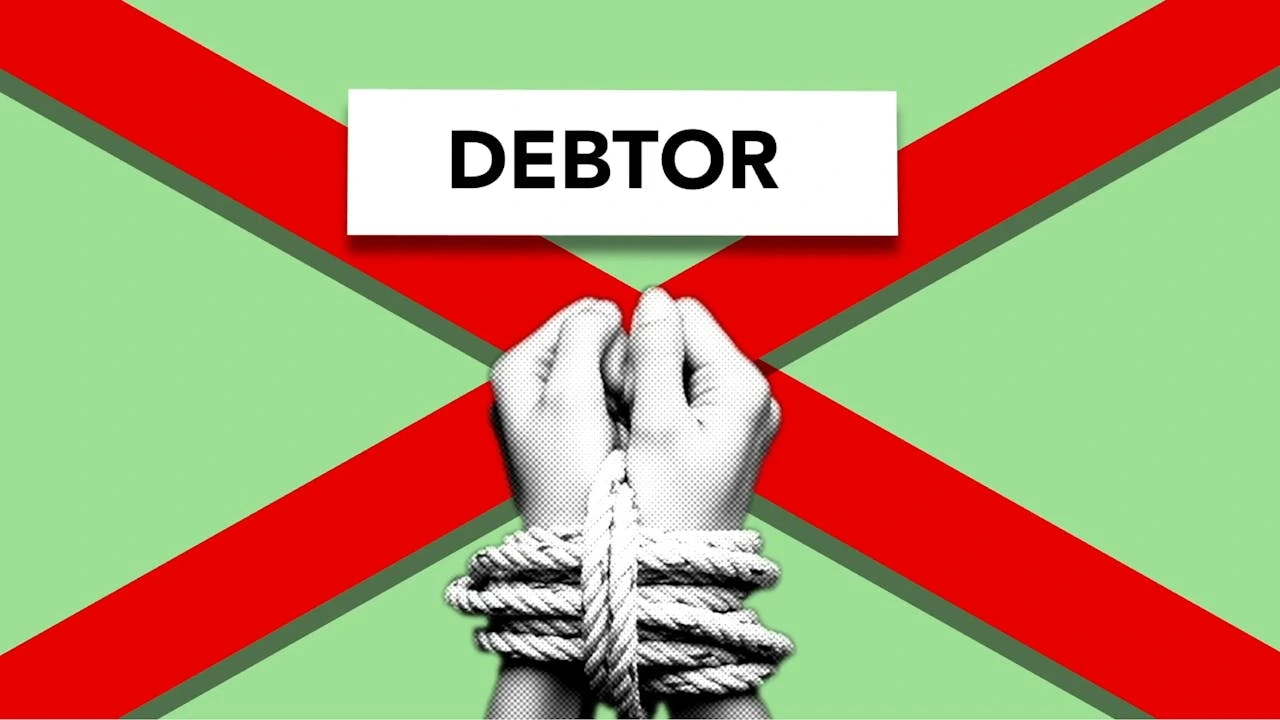
Need quick cash for your small business? Think twice before taking a ‘5-6’ loan. While informal lenders seem easy, they often trap Filipino vendors in debt with sky-high interest and daily payments. This guide reveals safer options—like cooperatives, microloans, and DTI’s P3 program—and how LoanOnline.ph helps compare legit, low-stress loan offers.

Back-to-school season tests more than your kids—it tests your wallet too. With tuition, gadgets, and fees piling up, loans can feel like a lifeline. This guide shows when borrowing for school makes sense, how to avoid emotional spending, and how to fund education smartly through paluwagan, side hustles, or LoanOnline.ph’s legit loan options.
Feeling the midyear money crunch? You’re not alone—but smart borrowing can help you reset. This guide shows how to use online personal loans wisely in the Philippines, from choosing the right amount and term to spotting red flags. Borrow smart, stay balanced, and keep your cash flow steady this season.

Think your salary and documents guarantee loan approval? Not quite. In the Philippines, lenders look beyond income—they check your money habits. This guide breaks down hidden deal-breakers like late payments, maxed-out cards, and messy bank statements. Learn how to strengthen your credit profile and prove you’re truly ready to borrow smart.

Bills piling up but hesitant to borrow? You’re not alone. A personal loan isn’t failure—it’s a tool, if used right. This guide shows when borrowing makes sense, how to find fair offers, and ways to avoid hidden fees or traps. Borrow smart, stay afloat, and protect your financial future in the Philippines.
Caught between bills and bad timing? You're not alone. In 2025, quick loans can either be a smart solution—or a silent trap. This guide helps you tell the difference. Learn when it makes sense to borrow fast, what costs to watch out for, and how to spot sketchy lenders before they spot you. Because borrowing money shouldn't cost you your future peace of mind.

Caught between bills and bad timing? You're not the only one trying to stretch every peso until the next paycheck. When savings fall short and life throws you a curveball, an emergency loan can be the safety net—not a sinking ship. This guide walks you through how to borrow responsibly, avoid red flags, and recover stronger. Because getting help now doesn’t mean giving up on the long game.

Ever feel like payday’s always just out of reach, and you’re patching the gap with loose change and prayer? You’re not alone—and you’re not failing. This guide shows how quick loans, when used wisely, can be tools for survival, not traps for debt. From spotting red flags to borrowing with purpose, we’ll help you stay in control—even in your most “ipit” moments.

Falling behind on your 2024 goals? It’s not too late to reset. This guide shows how a smart personal loan can help you regain control—without falling into debt traps. Learn when borrowing makes sense, how to spot hidden fees, and how to apply stress-free through legit, transparent lenders.

Ever seen a “pre-approved loan” pop up when you’re broke? Tempting—but often a trap. This guide reveals how fake loan apps and scammers prey on desperate borrowers, plus the red flags to spot early. Learn how to verify legit lenders, protect your data, and stay scam-free when borrowing online.

Got rejected for a loan? It’s not always about bad credit—small mistakes can derail your approval. From applying too often to missing tiny debts, these hidden slip-ups matter. Learn how to fix them, boost your chances, and turn your next loan application into a winning one.
Drowning in bills and thinking short-term loans are your only floatie? The Pag-IBIG MPL isn’t a magic wand—but it is a lifeline you’ve already earned. Tap into your own savings, skip the loan sharks, and borrow smart with lower stakes. Before you swipe that credit card again, see why the MPL could be your safest financial first aid.

Choosing between GCash and Maya depends on your financial habits and goals. Pick the platform that best matches your daily needs. Many Filipinos smartly maintain both apps to enjoy maximum flexibility and benefit from ongoing competition-driven improvements.

Still thinking more loans mean more freedom? You might be building a house of cards instead of a solid foundation. Debt stacking can bury you—but done right, consolidation can be your financial reset button. Know the signs, weigh the costs, and stop patching holes with more holes. It’s time to fix the roof, not just rearrange the leaks.

Need 5000 pesos fast in the Philippines? Explore quick and practical solutions to boost your finances today. Read the article for effective tips!

Explore the best home improvement loans in the Philippines to finance your renovation dreams. Discover options that fit your budget and needs. Read more!
.jpg)
Get quick loan approval in the Philippines for up to 1 million pesos. Discover the steps and tips to streamline your application process—read more now!

Discover practical strategies to reduce convenience expenses and keep your budget in check. Start saving money today by reading our tips!

Learn practical strategies for managing unexpected expenses and achieving financial stability. Discover tips to protect your budget—read the article now!